Why Reviewing Risk Assessments During Changes to the UK Terrorism Threat Level Is Non-Negotiable
In the world of security and crowd management, one thing remains constant: the risk
landscape is always evolving.
As professionals responsible for protecting people, places, and communities, we cannot
afford to treat risk assessments as static documents. They are not something to
complete once, file away, and revisit annually. They are live, operational tools, and one
of the most critical triggers for review is a change in the UK Terrorism Threat Level.
Understanding the Threat Level – And Why It Matters
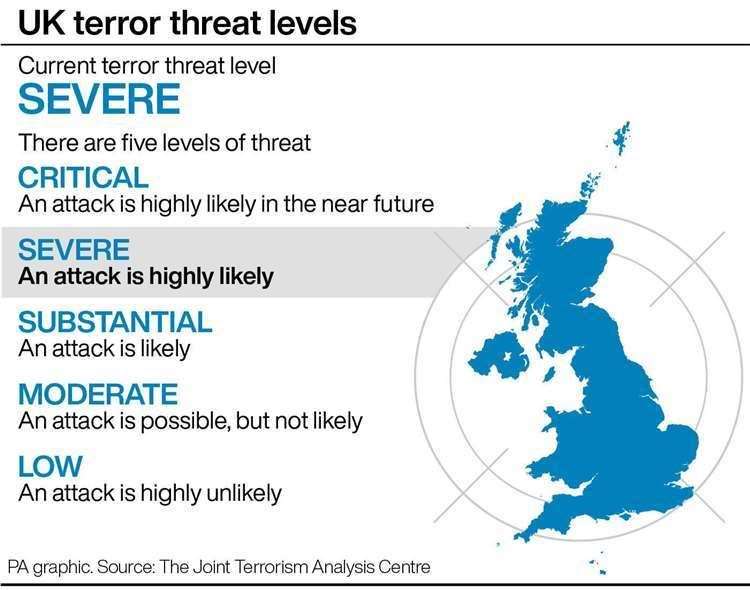
The UK Terrorism Threat Level, set by the Joint Terrorism Analysis Centre (JTAC),
provides a clear indication of the likelihood of a terrorist attack. Levels range from Low
to Critical, with each step representing a significant shift in risk.
When that level changes, it’s not just a headline, it’s a direct signal to security providers,
event organisers, venue operators, and businesses that their current controls may no
longer be proportionate to the threat.
Failing to respond appropriately is not just poor practice, it can expose organisations to
serious safety, legal, and reputational consequences.
Risk Assessments Must Reflect Reality
A risk assessment should always answer one fundamental question:
“Are our current control measures sufficient for the risks we face today?”
When the threat level increases, the answer often changes.
For example:
A move from Substantial to Severe indicates an attack is highly likely.
This may require enhanced screening, increased staff vigilance, or revised emergency
response plans.
If your risk assessment still reflects yesterday’s environment, then it is no longer fit for
purpose.
What Should Be Reviewed?
When the threat level changes, a structured and immediate review should take place. At
Active Security, we focus on five key areas:
1. Vulnerability of the Site or Event
Entry points, crowd density, and access control measures
Public accessibility and exposure to vehicle or hostile threats
2. Existing Control Measures
Are search procedures robust enough?
Is CCTV coverage sufficient and actively monitored?
Are hostile vehicle mitigation measures required or adequate?
3. Staff Readiness and Awareness
Are teams briefed on the current threat level?
Have they received ACT Awareness or SCaN training?
Do they know what suspicious behaviour looks like, and how to respond?
4. Emergency and Incident Response Plans
Are evacuation or invacuation procedures still appropriate?
Is there a clear command structure aligned with JESIP principles?
Are communication protocols tested and reliable?
5. Coordination with Partners
Engagement with local police, counter-terrorism advisors, and stakeholders
Alignment with current guidance and intelligence
Proportionate, Not Reactive
It’s important to be clear, reviewing a risk assessment doesn’t mean overreacting. It
means being proportionate, informed, and prepared.
There’s a balance to strike:
Too little action creates vulnerability
Too much can disrupt operations unnecessarily
The key is professional judgement backed by structured assessment.
The Role of Leadership
As Managing Director, I see risk assessment reviews not just as a compliance exercise,
but as a leadership responsibility.
Our clients trust us to anticipate risk, not react to it after the fact. That means:
Embedding a culture of vigilance
Empowering teams with the right training
Ensuring our processes are agile and responsive
When the threat level changes, leadership must set the tone:
We review. We adapt. We act.
Looking Ahead: Martyn’s Law and the Future
With the introduction of the Terrorism (Protection of Premises) Act 2025, commonly
known as Martyn’s Law, the expectation around risk assessment and preparedness is
only increasing.
Organisations will be required to:
Regularly assess terrorism risk
Implement proportionate mitigation measures
Demonstrate clear planning and preparedness
Reviewing risk assessments in response to threat level changes will not just be best
practice, it will be a legal expectation.
Final Thoughts
Security is not about standing still. It’s about staying ahead.
A change in the UK Terrorism Threat Level is a clear and actionable warning. It gives us
the opportunity to reassess, strengthen, and ensure we are doing everything reasonably
practicable to keep people safe.
At Active, we take that responsibility seriously.
Because when it comes to protecting lives
“good enough” is never enough.